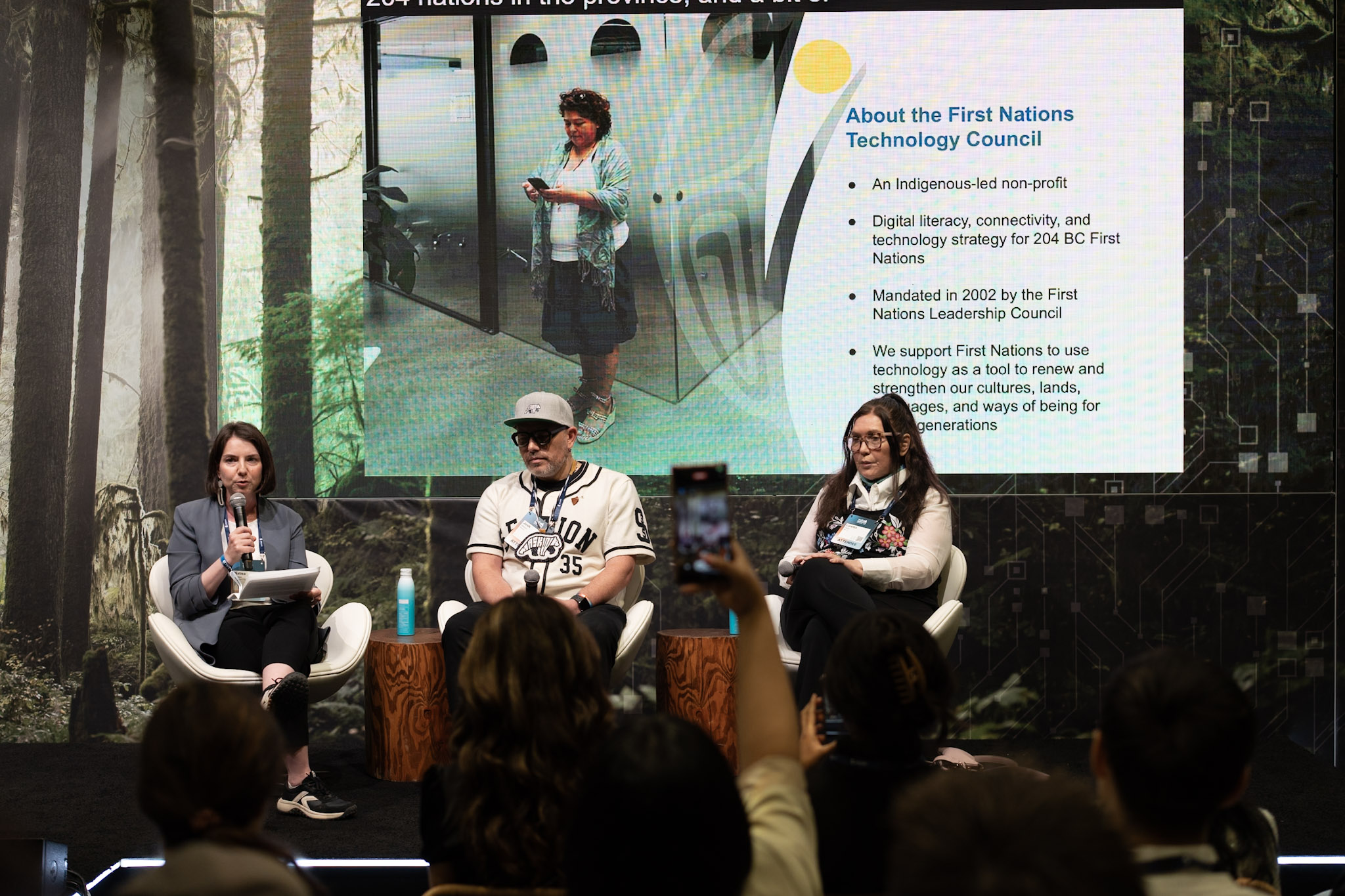

Want to see how companies leveraged Web Summit Vancouver 2026 at the BC Pavilion? Check out our video.
Web Summit Vancouver 2026 Showed That B.C. Is Here to Compete
If Web Summit Vancouver 2026 made one thing clear, it’s that B.C. tech companies are competing on a global stage. The province is home to ambitious start-ups, scale-ups, and category-defining companies like Coquitlam-based Photonic, which recently closed a financing round exceeding US$200 million with a US$2 billion post-money valuation, and Vancouver-founded Clio, which recently reached a US$5-billion valuation and completed a landmark US$1-billion acquisition of legal AI platform vLex. Both companies were represented at Web Summit this year.
The momentum is broader than a few standout names too. Premier David Eby noted at the summit that B.C. has “600 AI companies,” with roughly “75 percent” of them revenue positive. Finance Minister Brenda Bailey struck a similar note, placing tech alongside B.C.’s legacy industries, stating: “Yes, we have forestry, yes we have mining, yes we have manufacturing, but man—we’ve got tech.”
Success Stories Begin with Tenacity and Networking — Web Summit Fosters Both
With more than 12,000 tech companies generating an estimated $54 billion in revenue, B.C. has no shortage of success stories. But these companies do not scale in isolation. They grow through market access, investment, customer feedback, and the right introductions at the right time. That is where Web Summit Vancouver creates real value.
The Web Summit Effect
Web Summit Vancouver compresses months of potential introductions into a few high-impact days. In 2026, the conference welcomed 20,235 attendees from more than 100 countries, including 1,197 startups and 768 investors — the largest investor turnout ever for the North American edition. For B.C. companies, this density creates a concentrated environment for discovery, deal-making, partnerships, customer validation, and global exposure. In the strongest cases, it can lead directly to revenue, as it did for VanHack, a Vancouver-based global tech talent platform.
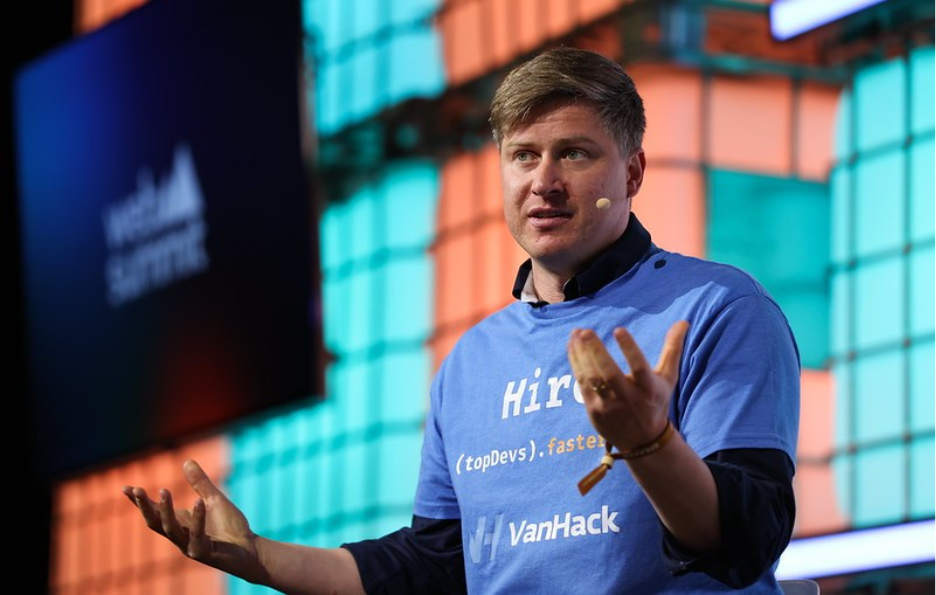
VanHack’s Web Summit Success Story: Gaining Global Visibility and Sales
For VanHack founder Ilya Brotzky, Web Summit has become more than a conference. It has been a repeatable growth channel. Since 2016, VanHack has attended Web Summit in Lisbon, Collision in Toronto, and Web Summit Vancouver, using the event to build community, strengthen brand recognition, develop business, and stay close to the customers it serves.
“Web Summit has been a critical part of our growth journey,” Brotzky says. “It’s helped us expand into Europe, stay in touch with our customers and get real-time feedback from prospective clients.” For a company that connects employers with pre-vetted developers, designers, and product managers from around the world, that combination of international reach and direct customer input is especially valuable.
That value also translated into measurable business. At last year’s summit, VanHack reconnected with a previous customer, Calgary-based Neo Financial. “Last year we re-engaged a previous client of ours that we hadn’t worked with for a while,” Brotzky explains. “Their CTO was at Web Summit, and we reconnected. Eventually, that led to $150,000 in revenue from the event.”
The lesson is practical: conference ROI does not always come from a brand-new lead. Sometimes it comes from reactivating a trusted relationship in the right environment. Web Summit gave VanHack the setting to reconnect, rebuild momentum, and convert a conversation into revenue.
Sound Advice to Make the Most of the Web Summit Opportunity
Brotzky is clear-eyed about what makes success possible at events like Web Summit: “Focus,” he says plainly, adding that growing companies should “make a targeted hitlist of companies and stay focused on those” rather than getting swept up in the “noise.” At an event with thousands of attendees, this discipline is necessary because it can be the difference between a busy week and a business outcome.
At last year’s Web Summit, Brotzky says “we had a ton” of meetings and companies “come through our booth,” and this gave VanHack a chance to show the product, test its message, and speak directly with potential customers and collaborators. For emerging companies, he says, Web Summit is “an easy way to validate your idea, get feedback, and have fun.”
The benefits are not limited to sales alone, he adds. Repeat attendance has also helped the company build community and internal momentum, giving the team a set of shared goals and activities all in one setting. “It’s good for the team,” he remarks. “Get the team together and have everyone in one place working together. That’s also really nice.”
Stage Opportunities Foster Validation and Value Too
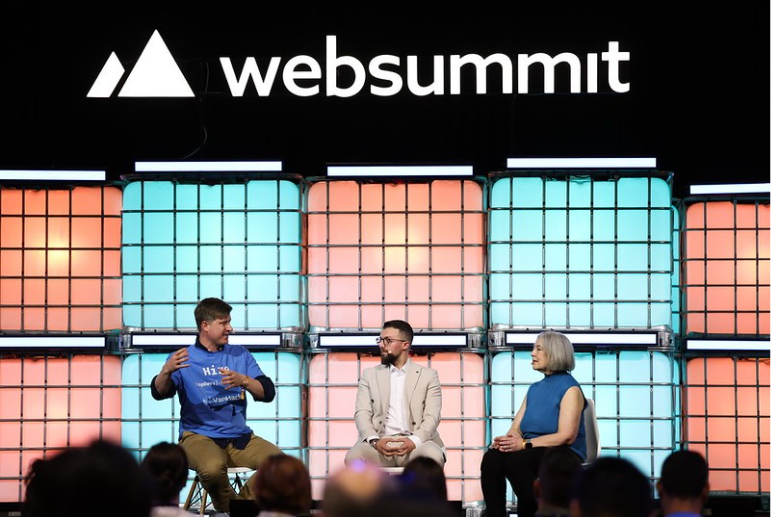
This year, Brotzky also took the Web Summit stage as a panel speaker on “The Future of Remote Work and International Talent,” a milestone he described as both validating and energizing. “I learned that I can do it,” he says. “People actually wanted to listen to what I have to say, which was really cool and validating.”
The opportunity also highlighted the evolution of VanHack, the company he founded after recognizing a gap between skilled software engineers in Brazil seeking international opportunities and employers struggling to access that talent in Vancouver. What began as an effort to connect developers with jobs abroad has grown into a global talent platform helping companies build remote and distributed teams. Fittingly, the panel discussion focused on how hiring has shifted since the pandemic-era boom, with companies increasingly prioritizing specialized skills, international talent, and flexible work models over rapid growth at all costs.
Speaking at Web Summit was both a personal milestone for Brotzky and recognition of VanHack's leadership role in its tech field, helping to shape conversations around globalization, talent mobility, and the future of work. That visibility matters for them, but it also matters for the broader provincial tech ecosystem, considering that B.C.'s technology sector now accounts for 9.6% of provincial GDP, according to a BC Tech Association report “A New Economic Narrative for BC: Five Years On, The Case Is Stronger”. Simply put, these types of events and leadership speaking opportunities keep the B.C. tech sector relevant and booming.
Why Web Summit Matters for B.C.
For VanHack, one reconnection became $150,000 in revenue. For other B.C. companies, the outcome might be different.
“It all depends on who your customer is and what you’re trying to get out of the event,” Brotzky explains. “I always find it valuable to connect with companies that we sell to… tech startups. So, it’s a go-to-market motion for us and also connects us with partners and folks in the industry. That’s the value I see.” Simply put, Web Summit is not a one-size-fits-all opportunity. It is a platform companies can use strategically to hit any number of select goals: sales, exposure, investment, talent acquisition, partnership development, or brand building—but, if the stars align, it can be all of these things at once.
The Road from Web Summit: Keeping the Momentum Going
Ready to connect with B.C.’s innovation ecosystem and make the most of Web Summit Vancouver in 2027? Explore the latest opportunities, programs, and ways to get involved in our Road from Web Summit:
Share

Bigger, Bolder, Better: B.C. Innovation Reaches New Heights at Web Summit Vancouver 2026
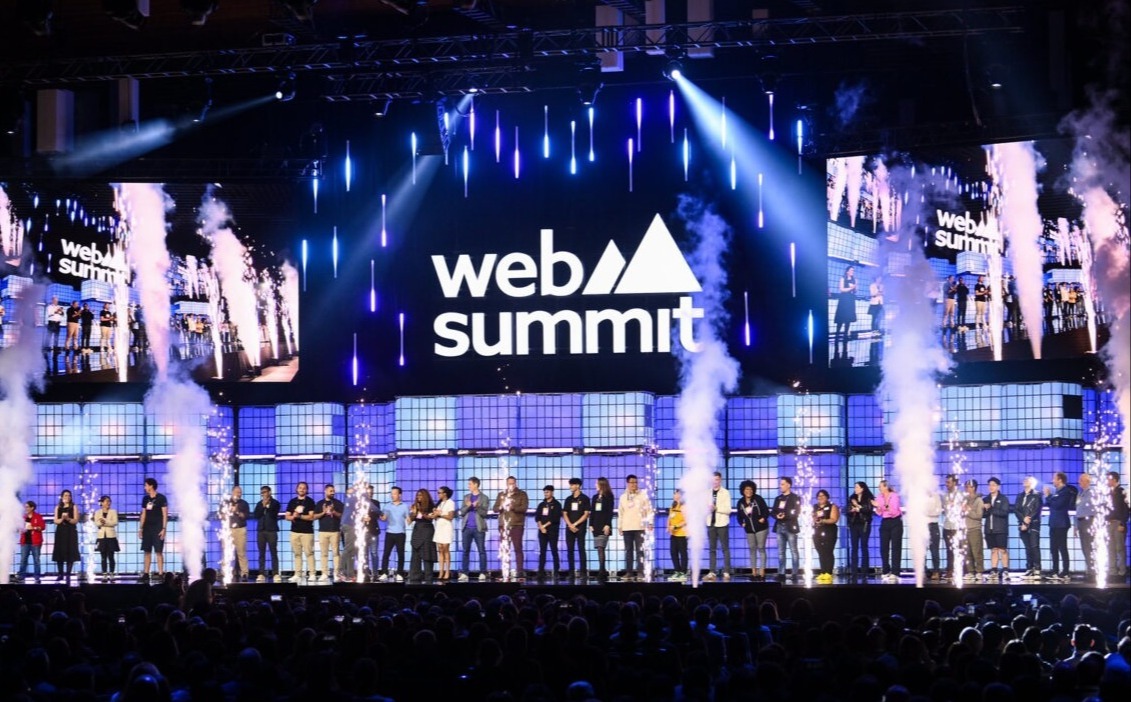
Web Summit Vancouver 2026: A Landmark Opportunity for B.C.’s Innovation Ecosystem